Global Economic Shockwaves: The Impact of Iran's Strait of Hormuz Shutdown
Discover how the closure of the Strait of Hormuz is sending shockwaves through global oil markets and threatening economic stability worldwide. Explore expert insights and potential future scenarios.
Executive Summary / Key Takeaways
- The Strait of Hormuz is a critical maritime chokepoint, with approximately 20% of global oil and one-fifth of LNG trade passing through it.
- The current closure due to military conflict has led to a surge in oil prices from $73 to over $79.40 per barrel, and a 50% increase in insurance costs.
- The closure has disrupted global shipping, with companies like Maersk and Hapag-Lloyd suspending operations, impacting global supply chains.
- This situation has escalated geopolitical tensions, particularly involving the U.S., Israel, and Iran, potentially drawing in Gulf states.
- Potential scenarios include prolonged closure leading to a recession, military escalation, or a diplomatic resolution to reopen the Strait.
Introduction
The Strait of Hormuz, a narrow passage connecting the Persian Gulf with the Arabian Sea, is one of the world’s most critical maritime chokepoints. As of early March 2026, it has become the focal point of international concern, following its closure due to escalating military conflict involving the United States, Israel, and Iran. This shutdown has sent shockwaves through global oil markets, threatening economic stability worldwide. In this article, we delve into the strategic significance of the Strait, the immediate economic impacts of its closure, and the broader geopolitical and market implications.
The Strategic Importance of the Strait of Hormuz
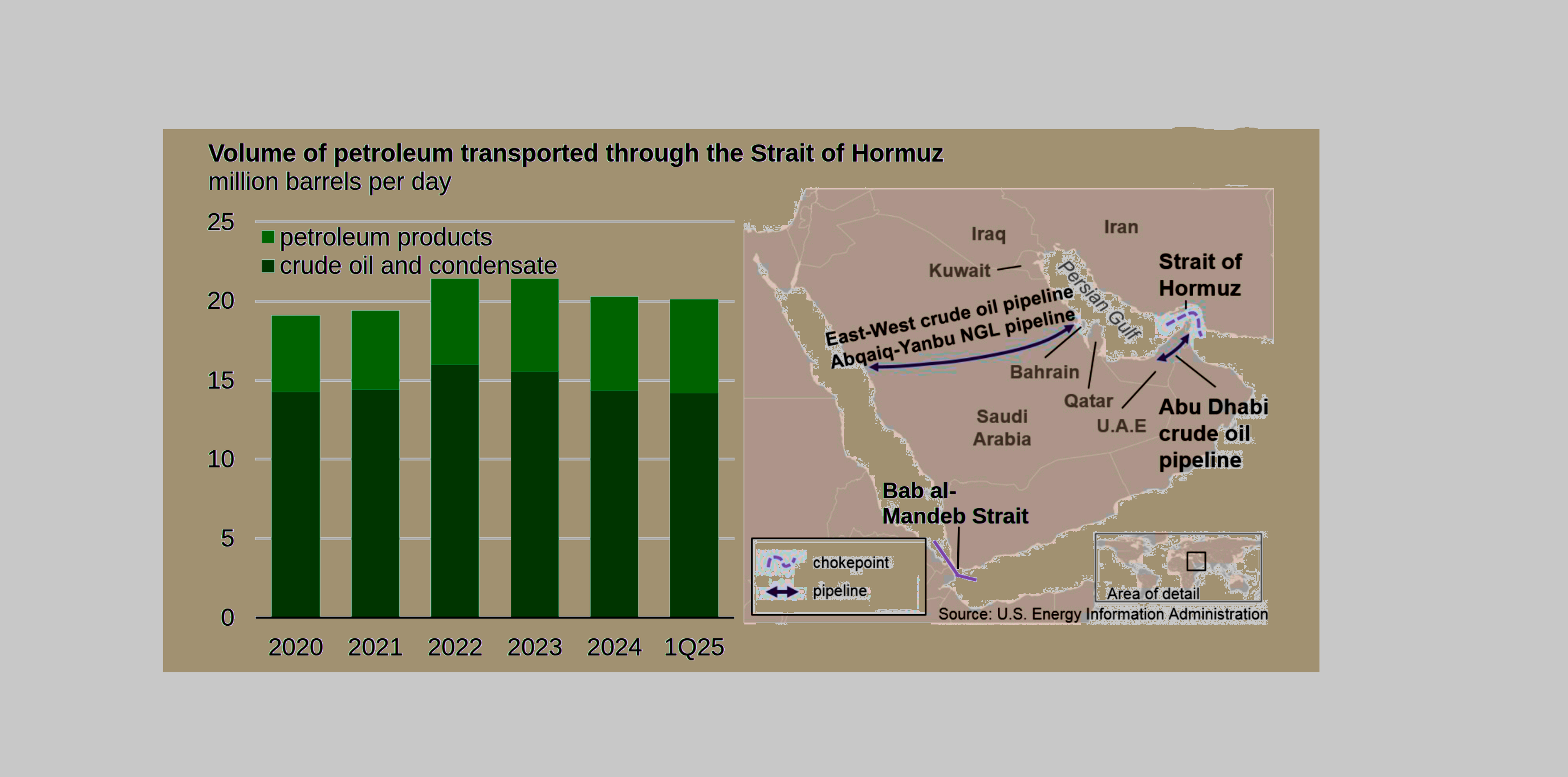
The Strait of Hormuz is a vital artery for the global energy supply, with about 20% of the world’s oil and one-fifth of its liquefied natural gas (LNG) trade passing through daily. This amounts to roughly 20 million barrels of oil per day, according to the U.S. Energy Information Administration. The strategic importance of the Strait cannot be overstated, as it serves as the primary conduit for energy exports from the oil-rich Gulf states to global markets.
Current Situation and Immediate Impacts
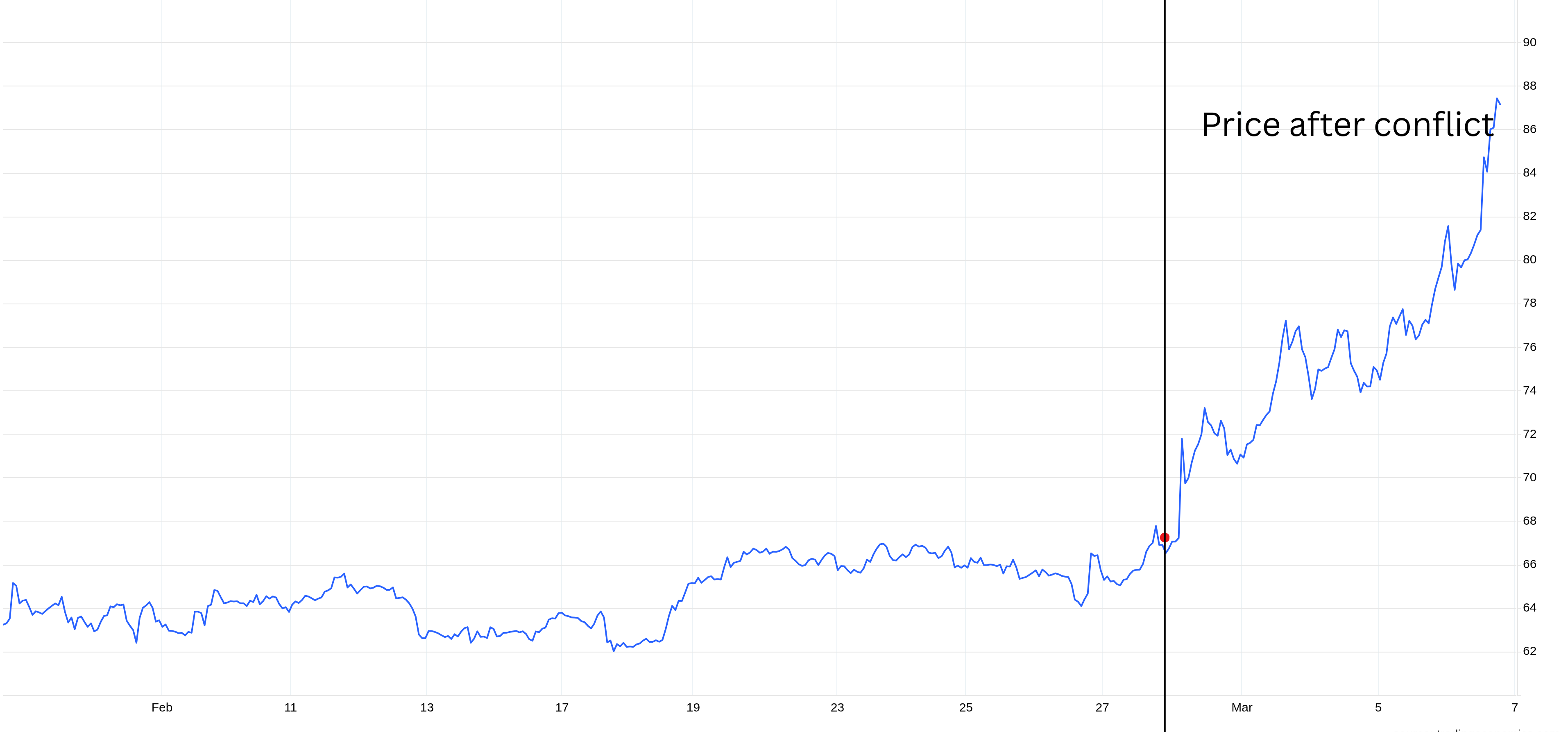
The crude oil price is nearly $89 per barrel as of now. The current crisis began on February 28, 2026, when U.S. and Israeli forces launched coordinated military strikes against Iranian targets. In response, Iran’s Revolutionary Guard Corps declared the Strait of Hormuz closed on March 1, threatening vessels attempting passage. By March 2, major shipping companies, including Maersk and Hapag-Lloyd, had suspended operations through the Strait, leading to a sharp increase in oil prices from $73 to over $79.40 per barrel. Since then, escalating tensions have fueled market uncertainty, pushing prices higher amid fears of prolonged supply disruptions. Energy analysts warn that if the blockade persists, global supply chains—particularly in Asia and Europe could face severe strain, driving up transportation and manufacturing costs. Governments have begun releasing strategic petroleum reserves to curb volatility, but traders remain wary that further geopolitical escalation could send crude prices surging past the $90 mark.
Market Implications and Economic Consequences
The closure of the Strait of Hormuz has triggered significant volatility in energy markets, contributing to inflationary pressures worldwide. Insurance premiums for shipping in the region have skyrocketed by 50%, reflecting the increased risks and uncertainty. Bob McNally, an expert from Rapidan Energy, warns that a prolonged closure could “guarantee a global recession” due to disrupted energy supplies and increased costs.
Geopolitical Ramifications
The military engagement involving the U.S., Israel, and Iran has heightened geopolitical tensions. Cormac McGarry from Control Risks notes that Iran’s aggressive posture could provoke neighboring Gulf states into joining the conflict, potentially leading to broader regional instability. The situation has drawn international attention, with calls for diplomatic intervention to prevent an escalation.
Potential Future Scenarios
The unfolding crisis presents several potential future scenarios:
- Prolonged Closure: If the Strait remains closed, the global economy could face a recession, with severe impacts on energy markets and international trade.
- Military Escalation: Further military actions could exacerbate the situation, leading to wider regional conflicts.
- Diplomatic Resolution: International diplomatic efforts could stabilize the situation, reopening the Strait and restoring market confidence.
- Alternative Routes: There may be increased reliance on alternative shipping routes and pipelines, although these may not fully compensate for the loss of capacity through the Strait.
Kevin Book of Clearview Energy Partners highlights the risks to infrastructure from both deliberate and inadvertent attacks, emphasizing the need for robust contingency planning.
Conflicting Reports and Legal Considerations
There are conflicting reports regarding the extent of the Strait’s shutdown, with some suggesting a total halt, while others indicate limited traffic continues, primarily involving Iranian and Chinese-flagged vessels. The legality of the Strait’s closure under international law remains a topic of debate, with arguments against the legitimacy of such a blockade under maritime conventions.
Conclusion
In summary, the closure of the Strait of Hormuz presents a significant threat to global economic stability, underscoring the need for urgent diplomatic efforts to resolve the crisis. While the immediate impacts are being felt across energy markets and shipping routes, the potential for long-term disruptions looms large. Averting a prolonged economic crisis will require coordinated international action to de-escalate tensions and ensure the Strait’s reopening, stabilizing global trade and economic prospects.